

Mousv Locks Into Neon-Soaked Soundscapes on New Album ‘Moneyman’
Egyptian rapper MOUSV trades narrative storytelling for a vibe-based futuristic atmosphere on his latest album ‘Moneyman’.
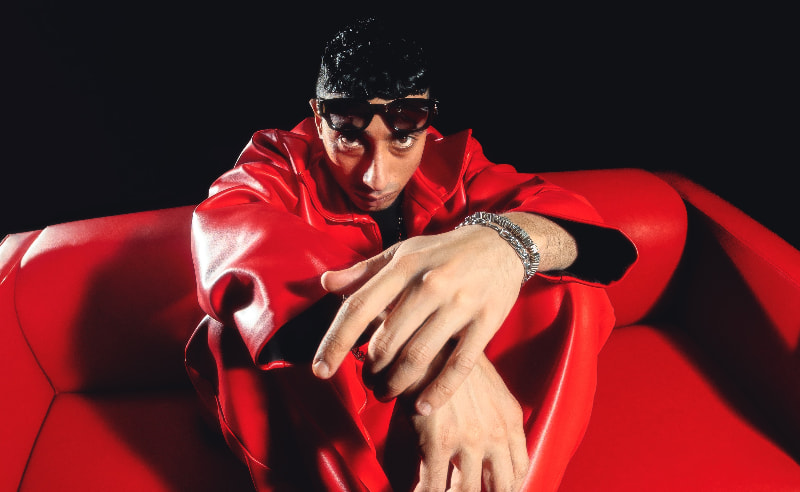
Egyptian artist MOUSV has consistently stood out as a forward-thinking voice in the region’s rap sphere, but with ‘Moneyman', his latest full-length project, he takes a deliberate plunge into a synthetic, neon-lit reality. Prioritising immersive moods over dense narrative writing, the album operates as an atmospheric flex, leaning heavily on futuristic textures and shape-shifting vocal processing to construct its sleek, shadowy world.
The sonic architecture of ‘Moneyman' is built on a foundation of massive trap beats and vibrant, towering synthesisers. Throughout the tracklist, vocal manipulation becomes a primary creative instrument: MOUSV’s voice is distorted, drenched in reverb, doubled an octave up, submerged under resonant filters, and heavily autotuned, matching the fluid delivery to the production’s polished palette.
The album asserts its anthemic ambitions early on. Opening track ‘Kol Youm’ channels urban isolation into a boastful, cinematic victory lap, while ‘Maserati’ arrives with high-stakes energy and brassy synths, allowing MOUSV to pivot seamlessly between a menacing, near-whispered delivery and a combative, full-chested tone. This high-octane posturing spills into ‘Porsche’ and the title track, ‘Money Man’, where distorted intros give way to mumbly, melodic cadences over colossal rhythms.
Yet, the armour occasionally slips to reveal something slightly more introspective. ‘Jealousy’ features some of the record’s most expansive synth work and driving arpeggios, anchoring pitched-up vocals that touch on the inherent loneliness of being unreachable. Similarly, ‘Ala Baly’ offers a sonic respite with its chill, underwater vocal processing and laid-back pop-trap bounce, as MOUSV navigates mixed signals and the quiet realisation that he might be better off alone.
As the tracklist progresses, the record loosens its structural grip to let in varied rhythmic influences. ‘Vivo La Vie’ introduces a nostalgic keys counter-melody over an Afro-laced trap beat, backing fragmented, tongue-in-cheek flows that sound distant yet undeniably danceable. ‘Tawlefa’ brings Karim Osama into the fold, opening with a classic guitar sample before dropping into a massive Reese bass and locking into an electronic rhythm that eventually shifts straight toward the dancefloor. Tracks like ‘Bob Marley’ and ‘Italia’ close out the project with standout flows; the latter pushes the experimentation further with warbly, reversed string samples and live drum fills, underscoring a hardline stance against wasted time and empty apologies.
‘Moneyman’ captures MOUSV fully locking into a mood. While it may not reach for the traditional benchmarks of dense, narrative songwriting, it replaces them with a clear, cohesive aesthetic vision. It is a sleek, neon-soaked ride through modern trap’s more experimental edges, rewarding listeners who are willing to get lost in its futuristic glow.
يواصل موسي توسيع المساحة التي يتحرك فيها داخل الراب المصري، لكن ألبومه الجديد "Moneyman" يأخذه إلى اتجاه أكثر جرأة وتجريبًا. بدلًا من الاعتماد على الحكي والسرد اللذين ميّزا جانبًا من أعماله السابقة، يركز موسي هنا على بناء حالة صوتية متكاملة، تتكئ على بيتس أثقل وإنتاج إلكتروني داكن، مع حضور واضح للاستعراض والفليكس.
من أول تراك، يضع "Moneyman" المستمع داخل عالمه الخاص. يبدأ الألبوم بـ"Kol Youm"، حيث يحول موسي شعور العزلة إلى لحظة انتصار واستعراض، قبل أن تأتي "Maserati" بطاقة أكثر شراسة، مدفوعة ببيتس ضخمة وسينثسايزرات حادة. يتنقل موسي خلالها بين أداء منخفض وبارد وآخر أكثر قوة، وهي الطريقة التي يستمر بها الألبوم في اللعب على شخصية صوته وحضوره.
هذا الاتجاه يظهر أيضًا في "Porsche" و"Money Man"، حيث تترك المقدمات المشوشة مساحة لفلوهات أكثر حرية وميلودية فوق إنتاج ثقيل. موسي لا يحاول هنا أن يحكي قصة متماسكة بقدر ما يبني شخصية وصورة وصوتًا؛ كل تراك يضيف طبقة جديدة إلى العالم الذي يصنعه الألبوم.
الصوت نفسه يلعب دورًا أساسيًا في ذلك. موسي يستخدم صوته كجزء من الإنتاج، فيغيّر طبقته وطريقة معالجته من تراك لآخر، بين الأوتوتيون والـreverb والتشويه ورفع طبقة الصوت. النتيجة صوت أكثر مرونة، يتماشى مع الإنتاج الإلكتروني ويمنح الألبوم طابعه المستقبلي.
وسط كل هذا الفليكس، يترك موسي بعض المساحات التي تكشف جانبًا أكثر هدوءًا. "Jealousy" من أبرزها، بتوليفة سينثسايزرات واسعة وإيقاعات متحركة، بينما يأتي "Ala Baly" كاستراحة أخف، بإنتاج أكثر هدوءًا وصوت غارق في المؤثرات، يتعامل فيه موسي مع العلاقات والإشارات المتضاربة وفكرة أن الوحدة قد تكون أحيانًا الاختيار الأفضل.
ومع تقدم الألبوم، يبدأ موسي في توسيع ملعبه أكثر. "Vivo La Vie" يضيف لمسة أفرو إلى التراب مع كيبورد يحمل طابعًا نوستالجيًا، بينما يشارك كريم أسامة في "Tawlefa"، الذي ينتقل من عينة جيتار إلى باس ثقيل وإيقاع إلكتروني أقرب إلى أجواء النوادي. وفي "Italia"، يدفع موسي التجريب خطوة إضافية مع عينات أ