

SceneNoise x Amsterdam Dance Event Present CROSSFADE: Saudi Arabia
For its collaboration with Amsterdam Dance Event, SceneNoise heads to Saudi Arabia to explore a scene finding its voice, identity and place on the global electronic music map.
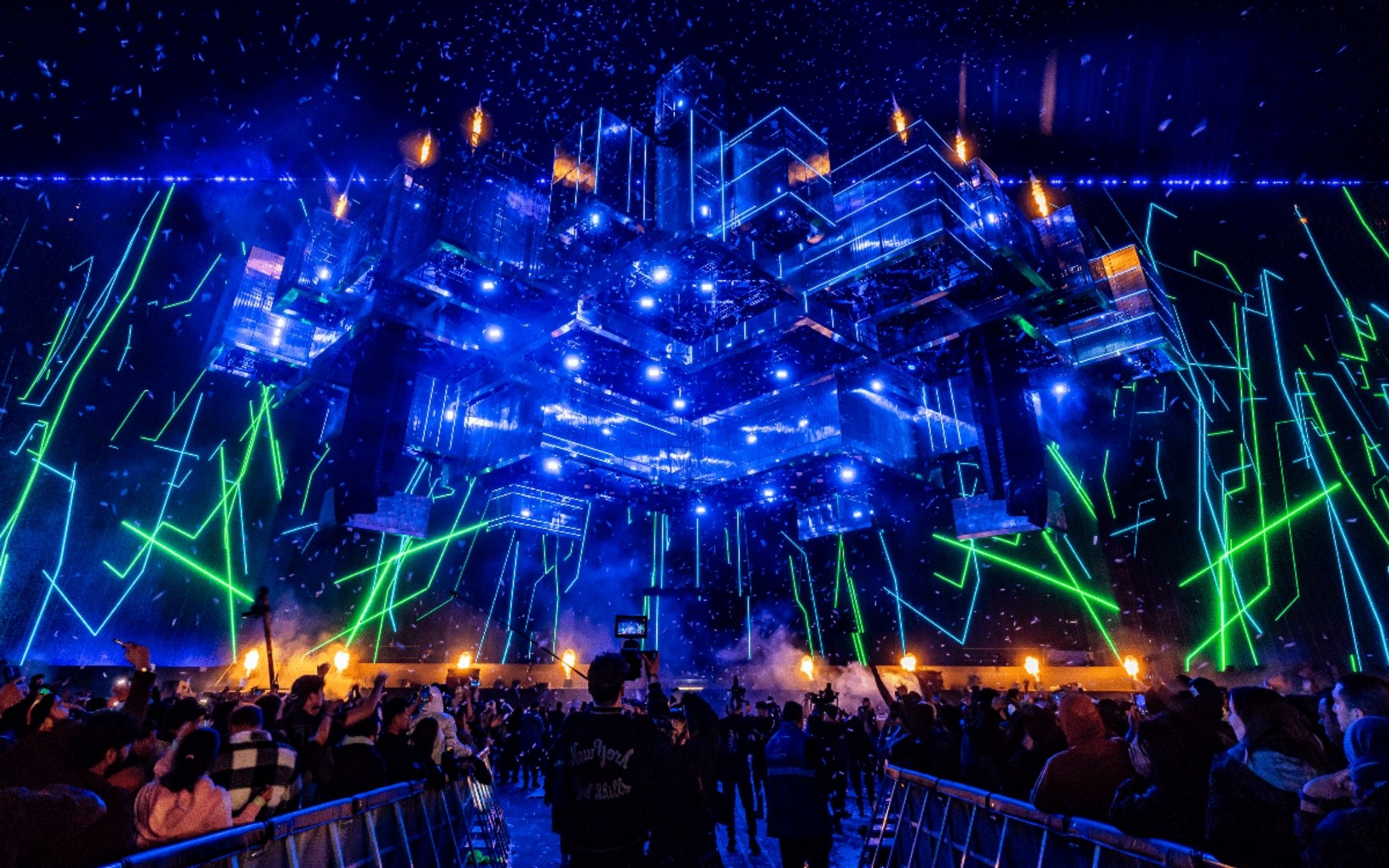
As part of a collaboration with Amsterdam Dance Event (ADE) ahead of this year's edition on October 21st-25th, SceneNoise presents CROSSFADE - a five-part editorial series exploring the histories, challenges and evolving identities of electronic music across MENA through the people who have shaped each local scene.
After exploring the ins and outs of Egypt, we move onto Saudi Arabia - a country that has spent the last few years making headlines for the sheer scale of its investment, from sports and entertainment to culture and mega-projects. As billions pour into building a new cultural and entertainment economy, electronic music has found itself at the centre of that transformation - raising questions about what happens when a scene transforms at such unprecedented speed.
For years, Saudi Arabia’s electronic music scene existed in the spaces between things: between friends’ homes and private gatherings, between trips abroad and evenings spent listening to imported records, between what people wanted to hear and what they were publicly allowed to do. DJs built collections in bedrooms, passed around mixtapes and travelled to find the music and communities they could not find at home. There were parties, but no clubs; DJs, but no industry; an audience, but nowhere for it to formally gather.
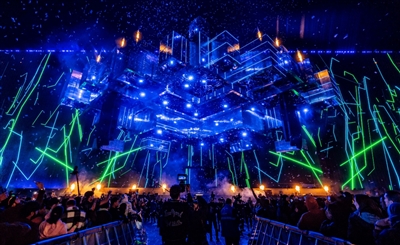
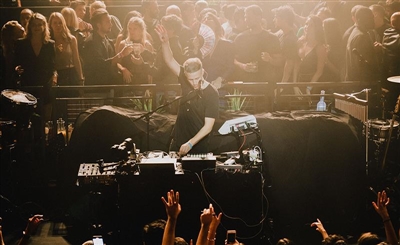
Today, Saudi Arabia has some of the largest electronic music events in the world.
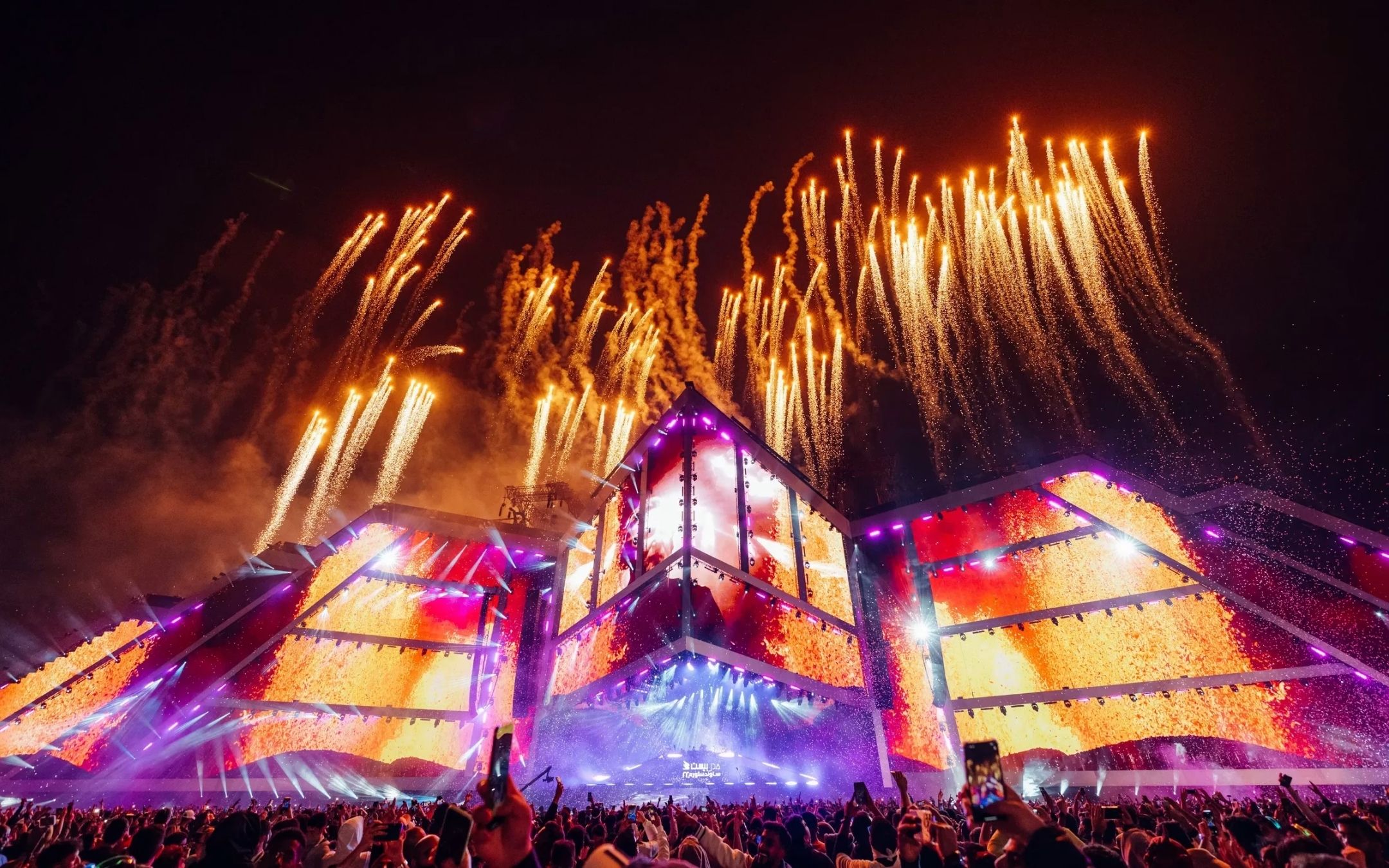 The transformation has happened at a speed that would be difficult to replicate anywhere else. In less than a decade, an underground culture that had spent years developing largely out of public view has been pulled into a rapidly expanding entertainment and music economy, backed by major investment, new institutions and an unprecedented appetite for live experiences. Soundstorm, launched by MDLBEAST in 2019, went from 400,000 attendees in its first edition to more than 730,000 in 2021, while the wider ecosystem around it has expanded to include labels, venues, artist development, industry conferences and professional training.
From the outside, it can look as though electronic music arrived in Saudi Arabia with Soundstorm. Speak to the people who were there before it, however, and another story emerges.
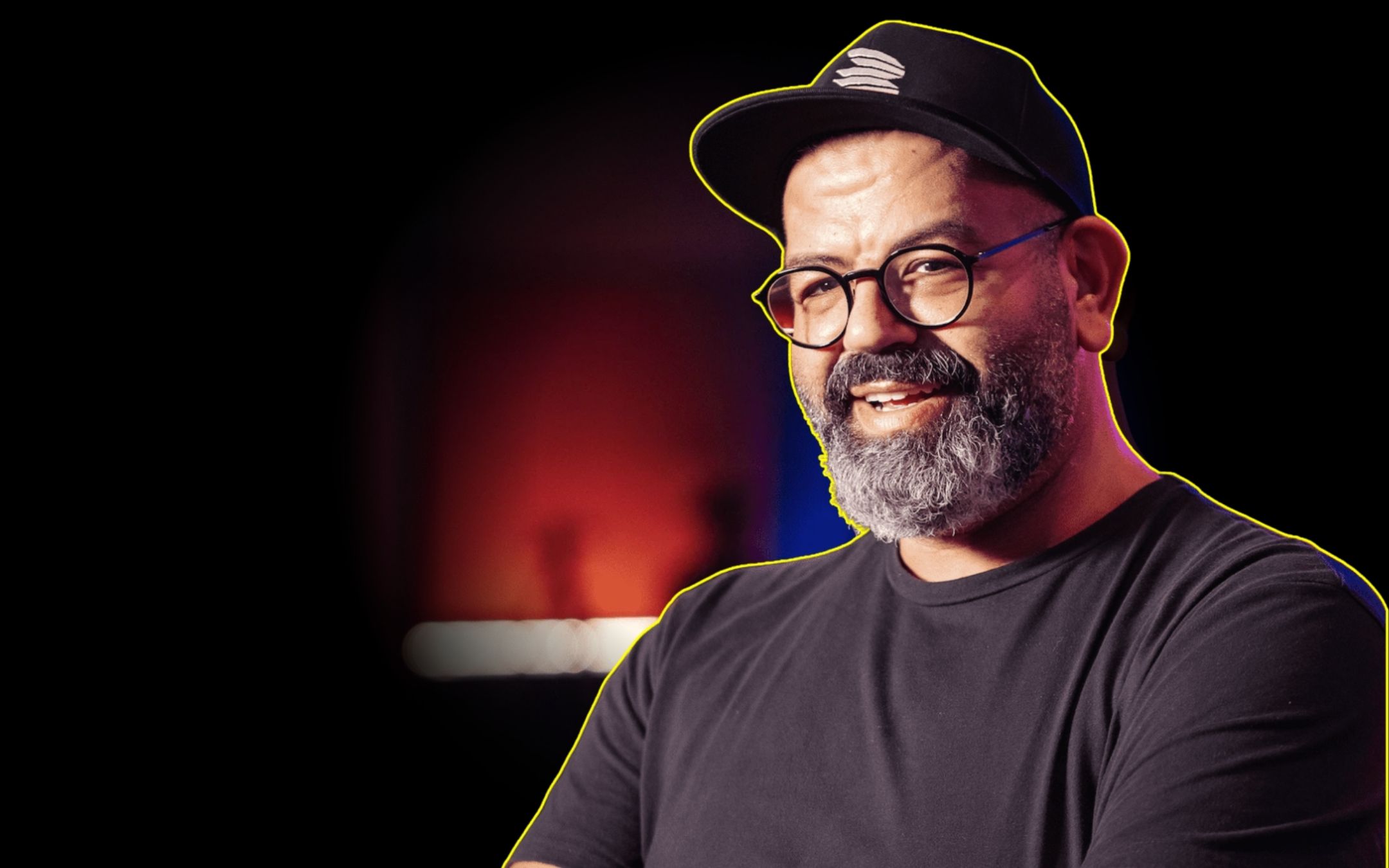 “I don’t remember a Saudi that wasn’t musical,” says Ahmad Alammary, better known as Baloo, the Saudi DJ and MDLBEAST Chief Creative Officer. For him, the relationship between Saudi Arabia and dance music predates the contemporary electronic scene by decades. He remembers growing up surrounded by Arabic music, disco, funk, pop and new wave, while his older brother introduced him to imported records and cassettes. He would spend his pocket money on music, return to the same record shop every Tuesday for new arrivals and make mixtapes for friends. “I was the eight-year-old kid that gave out mixtapes to his friends,” he recalls.
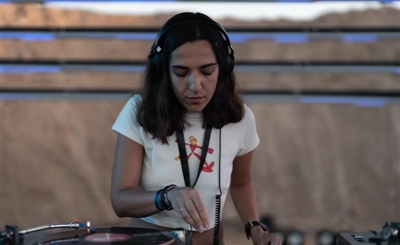
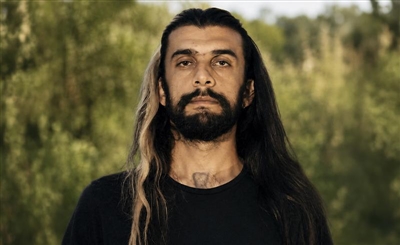
-40b0e90b-eb1d-4d17-a5e1-59231a71990e.jpg) Muhanned Nassar, better known as Vinyl Mode, has a similar memory of music arriving through informal channels. Growing up in Jeddah, he saved his school money to buy cassettes and spent hours making mixtapes. His first electronic obsession was trance - ATB, Tiësto and Paul van Dyk - before discovering The Prodigy, deep house and eventually the more underground sounds that would shape his career.
Muhanned Nassar, better known as Vinyl Mode, has a similar memory of music arriving through informal channels. Growing up in Jeddah, he saved his school money to buy cassettes and spent hours making mixtapes. His first electronic obsession was trance - ATB, Tiësto and Paul van Dyk - before discovering The Prodigy, deep house and eventually the more underground sounds that would shape his career.
The internet eventually widened that world, but it did not create the appetite for it.
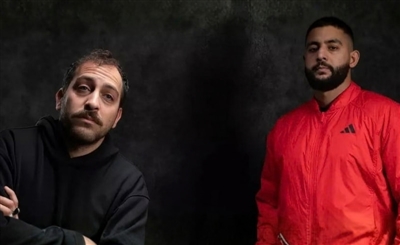
By the early 2000s, DJs were already building their own small networks. Vinyl Mode began playing house parties around 2004 or 2005, while Baloo was organising and attending small gatherings in Riyadh and travelling to Jeddah, where a more active party circuit had emerged. Hassan Ghazzawi, one half of Saudi electronic duo Dish Dash, traces his own journey to 2003, when hearing a Tiësto set opened up a new world of music for him and his brother Abbas.
The scale was tiny. Baloo remembers parties in Riyadh with around 20 people. Ghazzawi recalls that even bringing together 1,000 to 1,500 people was an enormous challenge. There were no public venues, conventional promoters or established electronic music infrastructure to speak of. “There was no social media, no posters, and no lineups,” says Vinyl Mode. “Just one DJ carrying the night from beginning to end like a warrior.”
It was, in other words, a scene built almost entirely from the bottom up.
That matters because the dramatic expansion of Saudi music in the last decade is often told as a story of arrival - of a country opening itself to entertainment and discovering nightlife in the process. But the people who built its electronic underground remember something more complicated. The cultural transformation did not create the appetite for electronic music. It created the conditions in which that appetite could finally become visible.
The establishment of the General Entertainment Authority in 2016 and the subsequent opening of public entertainment fundamentally altered the landscape. Music could move into public spaces. International artists could perform. Events could be licensed. Companies could invest. A professional music industry could begin to take shape.
Then came Soundstorm.
When MDLBEAST launched the festival in 2019, it did something more consequential than bring global electronic acts to Riyadh. It made the country's existing electronic community visible to itself.
The first edition brought together more than 400,000 people, 80 artists and six stages. By 2021, those numbers had grown to more than 730,000 attendees and 184 artists. Almost half of the talent that year was Saudi or regional, while 10 Saudi female artists performed across the festival.
For a scene that had spent years operating in private, the effect was seismic.
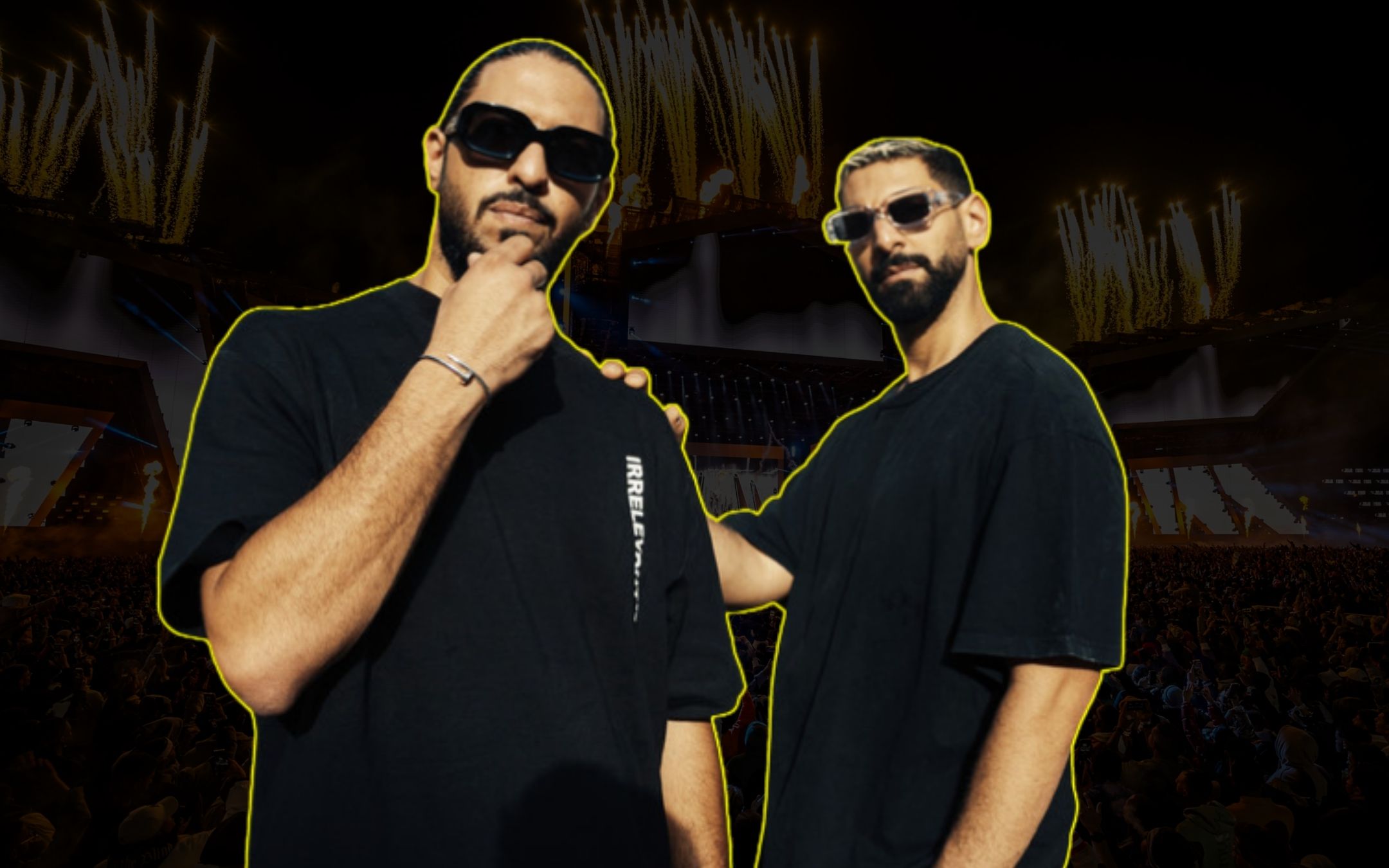 “Soundstorm really helped accelerate what was already happening organically,” says Ghazzawi. Baloo describes MDLBEAST’s early decision to dedicate a stage entirely to Saudi DJs as a gesture towards a community that had existed long before the company did. The stage, Saudi Beast, was eventually folded into the festival’s wider programming, with local artists increasingly appearing alongside international acts.
Vinyl Mode remembers the shift differently, but reaches a similar conclusion. Before legalisation, artists had invested their own money and effort into organising parties. Afterwards, companies such as MDLBEAST arrived with the infrastructure to turn that culture into an industry. “Saudi Arabia’s broader transformation did not create the scene from nothing,” he says. “It gave an existing community the freedom, resources, and visibility to grow.”
That tension between something organic and something heavily accelerated from above sits at the centre of Saudi Arabia’s electronic music story.
The Kingdom is not simply developing a nightlife industry. It is deliberately constructing a music economy. The government-backed Music Commission has spent recent years building the professional infrastructure around music, from education and production to artist management and international market access. In 2025, it launched Music Compass, a programme designed specifically to professionalise artist and music-business management and create more sustainable career pathways. Saudi Music Hub, meanwhile, has brought recording studios, rehearsal spaces, a performance hall and workshops into one physical ecosystem in Riyadh.
MDLBEAST has developed in parallel from festival promoter into a much broader music company, encompassing labels, artist development, industry programming and venues alongside Soundstorm. Its own account of the past decade describes the company’s ambition as building the infrastructure around a rapidly emerging Saudi and regional music industry.
The result is an unusual inversion of the way music scenes normally grow. Typically, a scene begins small. Artists form communities, communities create parties, parties become clubs, clubs create demand for promoters, labels and professional infrastructure, and eventually a music economy develops around them.
Saudi Arabia has, to some extent, built the top of the pyramid first. The giant festivals arrived before the ecosystem beneath them had fully matured. And now the cracks are becoming easier to see. “We just got started,” says Baloo. “So much is missing.”
There are still not enough venues, he says. Not enough A&R. Not enough infrastructure. The country's music industry may now have enormous festivals and international artists, but building the less glamorous machinery required to sustain a scene year-round is another matter. That is increasingly where the independent scene comes in.
Saudi electronic music is no longer confined to the spectacular world of Soundstorm. Smaller collectives, labels and promoters have emerged alongside the mainstream industry, including Lymm, Untamed, Avantgarde, Eko, Noisevoid and Vibe Generators, while IN ACT, founded by Dish Dash alongside Mahmoud Zidan and Bassel Enab, has been building a platform around underground electronic music. Independent brands such as Yellow+ and Desert Sound are also demonstrating that events outside the biggest institutional structures can find sustainable models.
For Ghazzawi, sustainability is no longer an abstract question. He points to IN ACT as an example of an independent operation that has been able to bring international artists to Saudi Arabia while developing its own identity, sponsors, licensing and production standards.
“A sustainable independent event means being able to run the entire show from A to Z,” he says.
That distinction is increasingly important as Saudi’s electronic market becomes more crowded.
The influx of international artists has raised the standard of what audiences can expect, exposed local artists to global sounds and given Saudi audiences access to artists they previously had to travel abroad to see. But it has also created a more complicated relationship with value.
Vinyl Mode believes international bookings can reinforce the perception that overseas artists are inherently more desirable, making it harder for emerging local DJs to secure bookings. Baloo is less concerned about the musical competition itself. In his view, local artists often understand the Saudi audience better precisely because they have helped create its musical palate. “The locals sound better,” he argues. “We understand our palate better. We understand the local taste better.”
It is a provocative position in a market that has made international access one of its defining features.
But it points towards a bigger question: after years of importing electronic music, can Saudi Arabia begin exporting its own?
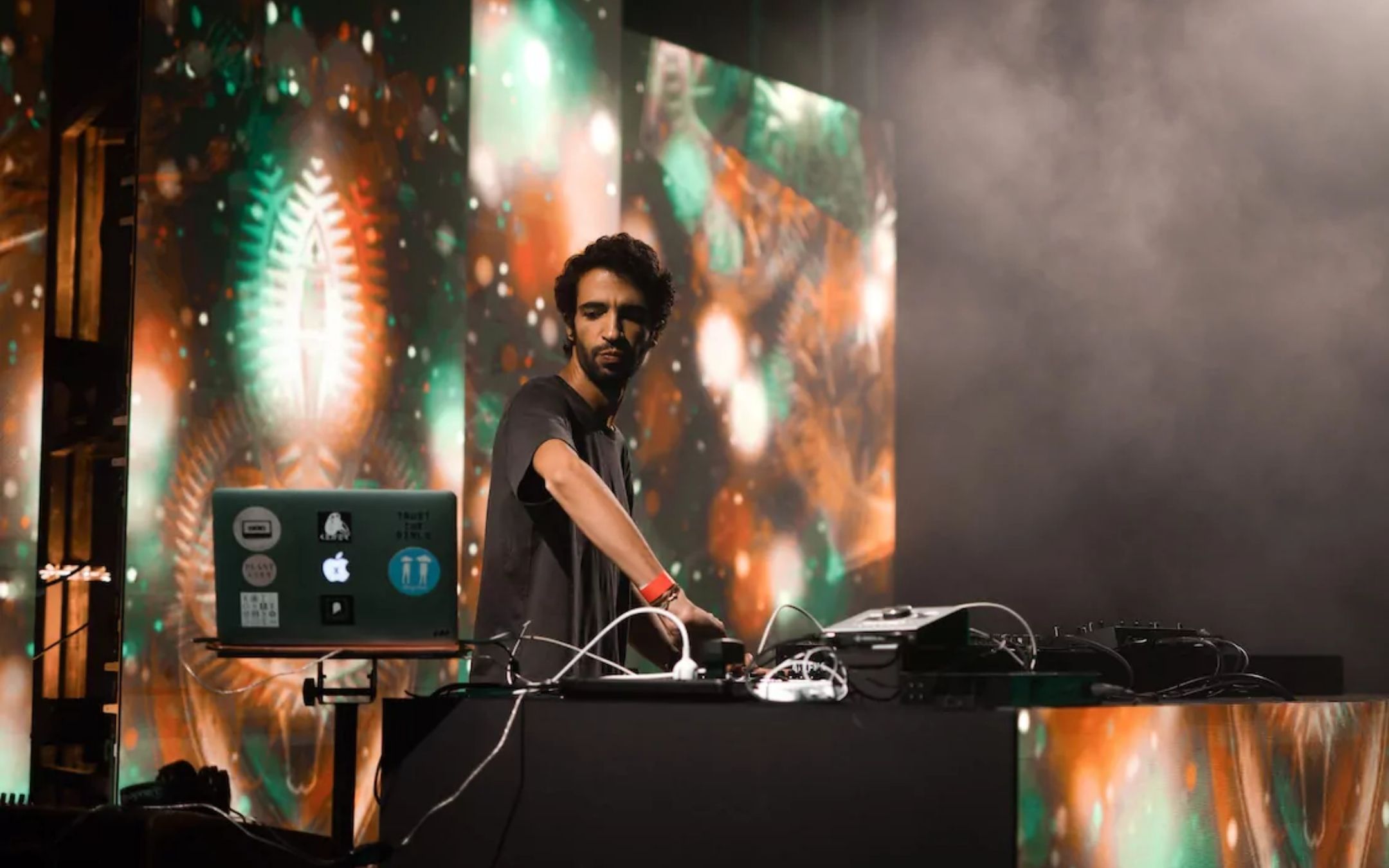 The first generation of Saudi DJs has already started making that journey. Dish Dash have moved from private parties and local events onto international stages. Vinyl Mode has played across Europe and the US. Baloo was booking himself into international scenes long before the current Saudi boom, eventually finding that MDLBEAST’s rise gave him access to a wider international circuit. The direction of travel is changing. Saudi is no longer simply a place where international electronic artists come to play. It is becoming a place from which Saudi artists can emerge into the global scene. That does not necessarily mean every Saudi producer needs to make music that sounds overtly Saudi. In fact, the more interesting development may be subtler.
Baloo points to the Kingdom’s own musical traditions - including the many regional drum rhythms embedded in Saudi culture - as evidence that the country already has a sophisticated relationship with rhythm and dance. Dish Dash have explored Gulf influences through their electronic production, while other artists are moving between house, techno, bass, melodic music and more experimental forms.
The question is not whether Saudi producers can put traditional rhythms over electronic music. It is whether the experiences of growing up in Saudi Arabia can produce a musical vocabulary that could not have emerged anywhere else.
That process takes time. So does building an audience.
The speed of the industry's expansion has sometimes obscured the fact that the audience is learning alongside it. People who grew up without public nightlife have suddenly found themselves navigating festivals, clubs and electronic music events. There is still uncertainty over genres, artists and the social conventions of going out.
Ghazzawi describes a scene in which some audiences are still learning to distinguish between different styles of electronic music, with people occasionally arriving at events expecting a particular kind of music simply because they have seen the DJ's name on a poster.
Baloo sees the process more broadly. The Kingdom's cultural transformation has opened up a new form of public expression, but social attitudes do not change overnight. There remains a stigma around being seen at parties, particularly for women, and that can shape who feels comfortable attending. His answer to how long it will take for the audience to fully catch up with the industry is simple.
“Time.”
That may ultimately be the most important ingredient in Saudi Arabia's electronic music future.
Because the Kingdom has already demonstrated that it can build infrastructure quickly. It can attract the world's biggest artists. It can create festivals on an unprecedented scale. It can invest in venues, education, artist development and the professional machinery surrounding music. What it cannot accelerate in quite the same way is culture itself.
Culture requires repetition. It requires communities. It requires people to return to the same parties, discover artists they have never heard of, develop their own tastes, form collectives, start labels, fall in love with obscure genres and decide that they would rather hear a local DJ than the biggest name on the poster.
That is already beginning to happen.
The underground has survived the arrival of the mainstream. Independent promoters are finding ways to operate. Saudi artists are increasingly appearing on international stages. Audiences are becoming more musically literate. And the infrastructure that did not exist when Baloo was passing around mixtapes is now being built around the artists who once had nowhere to play. Yet there remains an unresolved tension between the speed of the market and the pace of the culture.
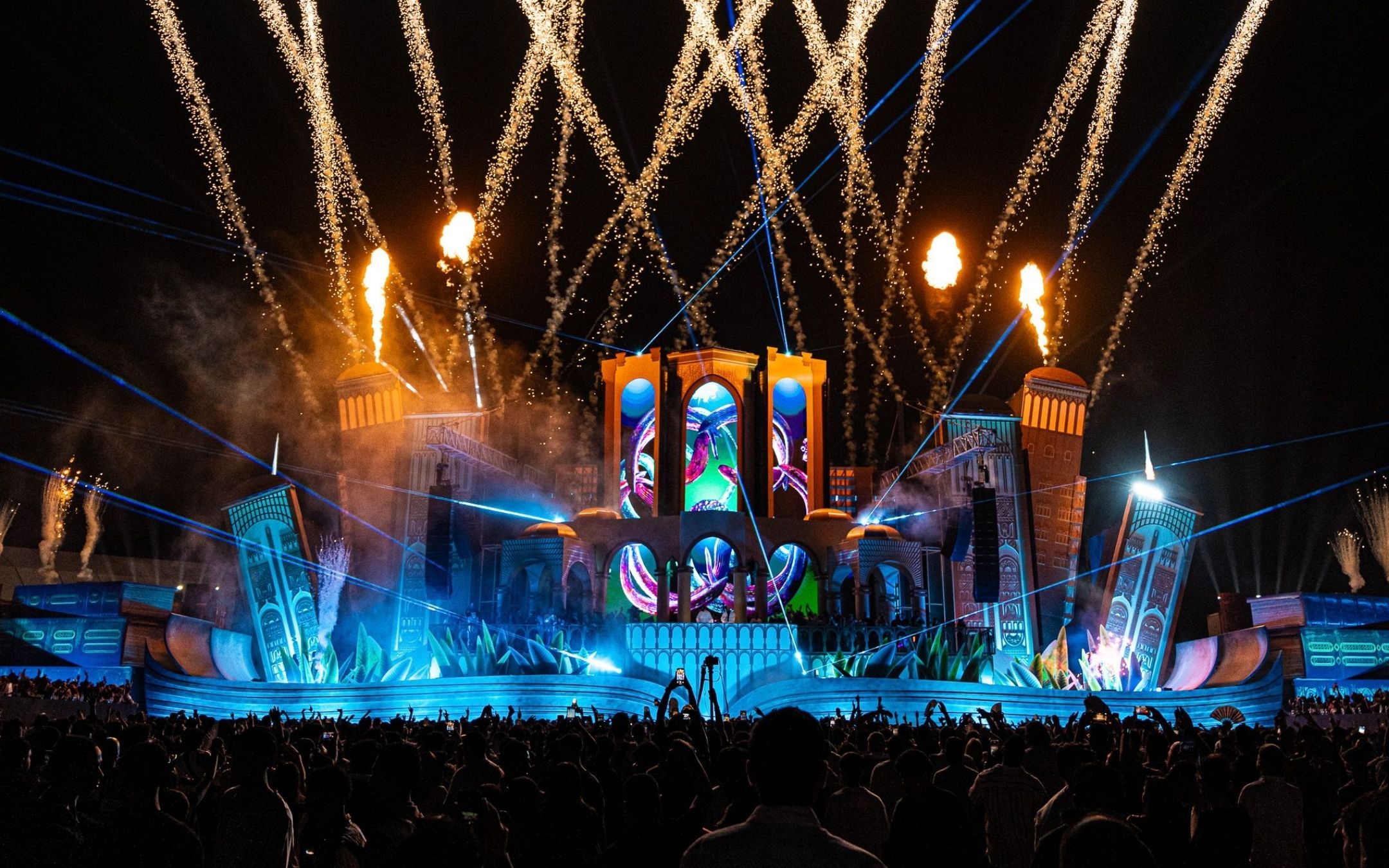 Saudi Arabia has built an extraordinary music industry in a remarkably short time. The harder question now is what that industry will become when the novelty of opening up has passed – when international headliners are no longer enough, when giant festivals are no longer the only measure of success, and when the country’s electronic artists have to define their own place within the global dance music landscape.
Vinyl Mode sees the biggest danger as the loss of independence and authenticity. Baloo sees a young ecosystem with enormous gaps still to fill. Ghazzawi sees a “virgin era” with room for everyone to grow.
All three, in different ways, are describing the same thing.
Saudi Arabia’s electronic music scene may look shiny from the outside.
From the inside, it is still being built.
- Previous Article WSLA Conversations: Nazli Reda
- Next Article Gharam Electric Embeds Levantine Motifs Into Garage Rock Cut 'Maydani’