Streaming Platforms Aren't The Problem - We Are
We've spent decades treating music as free. The streaming giants didn't devalue it alone. More of the blame lies with us than we'd like to admit.
Blaming streaming services for the death of music has become almost a reflex at this point. Yes, fractions-of-a-penny payouts are real, and plenty of these platforms have their own sins to answer for. But there's a more uncomfortable conversation we keep avoiding: the one about us.
This isn't a clean argument. We can go back and forth about whether things were ever really good; labels were always skimming the lion's share while the artists doing the actual work saw comparatively little. But something fundamental has shifted, and it goes beyond who's taking the biggest cut: we’ve essentially stopped paying for music altogether. I can only speak for myself, but ever since I stumbled onto Limewire as a teenager, I've felt entitled to free music by default. Right now I can pull up any song I want on YouTube and, at most, sit through a fifteen-second ad. Even what we pay streaming services isn't really for the music; it's to not be bothered by the interruptions.
I understand the digital age has disrupted every form of media, from print to cinema and everything in between. But few industries have been as completely hollowed out as recorded music. The entire business model flipped from record sales to ad revenue and live performance, which were two streams that were always meant to supplement the first, not replace it. The industry adapted to our entitlement. We just never really sat with what that meant.
There's a point of no return with anything you've gotten used to getting for free. Paying for it after that doesn't feel fair, it feels like a scam. Today, a monthly streaming subscription costs less than a single breakfast, and in exchange you get more or less every song ever recorded, on demand. And yet we’re always willing to drop $5 on a latte without thinking twice, then turn around and complain that streaming services don’t do enough for artists. The math isn't complicated, we just don't do it.
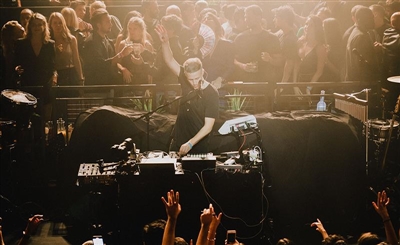
It's gotten to a point where we'll flinch at the price of a ticket to see a local act, then spend several times that at the bar without a second thought. The live experience itself has also lost its value. Shows have quietly shifted from being about the music to being a social occasion that happens to have music in it. When you've conditioned yourself to see music as free, it's hard to suddenly treat it as the reason you’re going out.
A common defense is that music is uniquely risky to pay for. You don't know if you'll like a song until you've heard it. But that logic doesn't hold up anywhere else we spend money. You don't get a refund on a bad meal, or a coffee that wasn't worth the wait. We accept that as part of the deal with almost everything else we consume, and we've somehow carved out a special exception for music.
But the consequences don't stop at the artists' bank accounts. When music alone can't pay the bills, the music starts to change. Artists are pushed to become entertainers, influencers, brand ambassadors. Anything that keeps them visible and solvent outside of the work itself. That pressure doesn't stay outside the music for long. It seeps in, and what you get is a scene increasingly built around chasing what's guaranteed to land, and the cycle feeds itself.
Honestly, I don't think the issue is fixable at this point. Not by vinyl sales, not by artists migrating to Bandcamp, not by any niche counter-movement. The reality is that most people will never pay for music again. But there's still something worth sitting with about how we got here. When we think about the state music is in today, I think this is where that thread should start. We probably can't undo it. But we could at least stop pretending it's someone else's fault.
- Previous Article SceneNoise x Amsterdam Dance Event Present CROSSFADE: Egypt
- Next Article Word: Mared - Odam El Nas