

Student Revolt to Cultural Blueprint: The Rise of Fabrika Festival
Founder Oualid Triki reflects on how his early student years sowed the seeds of one of the region's biggest electronic festivals.
When Benny Benassi’s iconic electronic track 'Satisfaction' blasted through a youth party on the Mediterranean island of Mallorca in 2002, Oualid Triki, co-founder of Fabrika Festival, who was then a 15-year-old teenager, had an epiphany. He didn't know it yet, but that single track would seed a movement destined to transform North Africa’s underground music scene, particularly in his homeland, Tunisia.
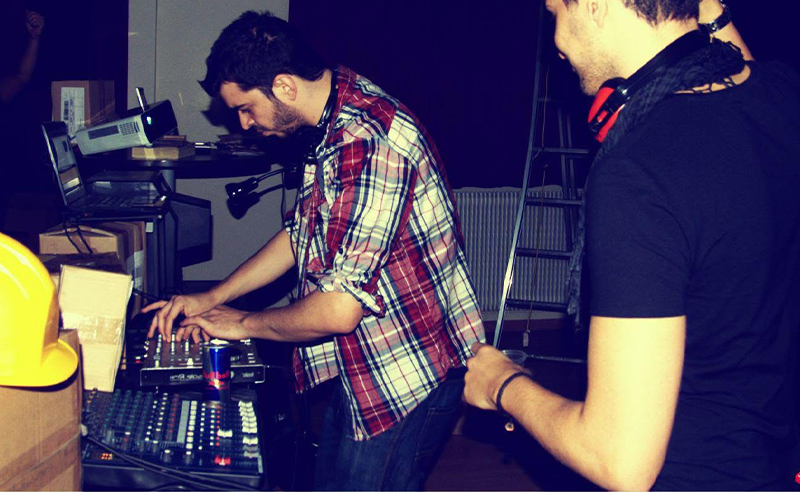
Fast forward to Paris in 2011, right after the Jasmine Revolution - known locally as the Revolution of Dignity - swept across Tunisia. Oualid, studying abroad at the Maison de Tunisie in the Paris International University City, found himself thoroughly disillusioned by the sterile, commercial party scene dominating student life in France. Alongside co-founder Mehdi and a circle of friends moonlighting as amateur DJs, he decided it was time for a radical alternative. "There’s only bad music around here; let’s throw a proper electronic music party," he recalls thinking.
What started as a cluster of intimate underground sessions in a Parisian student hall under the name Fabrika - a derivative of the French word for ‘factory’ adapted into a localised Tunisian form - would soon evolve into a cultural phenomenon, becoming one of the region’s most forward-thinking electronic festivals.
"The idea behind the name is really to create a manufacture of arts," Triki explains. "It was created for artists who are not famous, to give them a stage so they can become famous."
When Triki returned home to Tunisia in 2013, he brought Fabrika with him, launching a 12-hour showcase called ‘FABRIKA Meets Friends’ in Hammamet. At the time, the country’s electronic dance scene was navigating a delicate post-revolution transition marked by massive creative energy but highly restricted infrastructure. While the 2011 revolution had dismantled decades of strict state-controlled censorship—unleashing a wave of artistic expression among Tunisian youth who used underground subcultures to claim newfound spaces of cultural freedom—the local scene remained small, fragmented, and gatekept, operating primarily out of a few DIY venues and hotel clubs in Tunis and Hammamet. Organisers faced immense bureaucratic hurdles and a severe lack of institutional or financial support for electronic subcultures, meaning carving out a home for a sustainable underground electronic scene was an immense risk and an almost far-fetched dream.
For Oualid, bootstrapping the festival meant prioritising artistic freedom over personal stability. "Financially, it was very hard. My friends were buying apartments and investing in houses; I was investing my money in Fabrika,” he shares. “Attending festivals around the world, like Sunwaves in Romania or 24-hour events in Taipei, was a huge inspiration. Every time I was abroad, I thought to myself, 'We can do this in Tunisia, and we can do it even better.'"
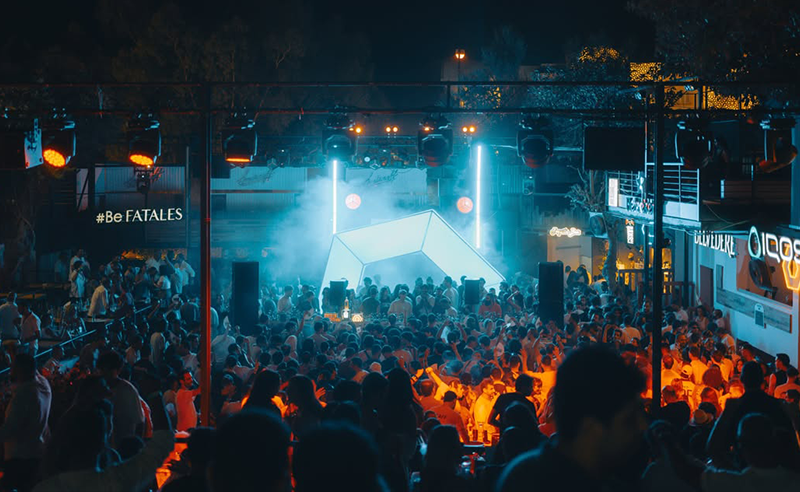
After four years of organising pop-ups across the country, the collective launched the very first iteration of Fabrika as a formal festival at Hotel El Fell in Hammamet in 2017—an ambitious, intimate three-day beachside gathering that brought 300 minimal and electronic music heads together. “I was told then that no one would show up, even the locals… a lot of people were skeptical about the whole thing, yet they showed up. And that’s when it all started.” Though the collective staged events in Tunisia for years, including a presence at the famous Dunes Électroniques in 2014, the festival formally anchored its primary home base in Tunisia in 2019.
Since then, corporate sponsors and institutional donors offered backing, but the founders consistently refused. For Triki, accepting third-party capital meant sacrificing political independence and artistic direction. "As soon as you get money from any donor, you lose your independence," Triki says. "If one booking agency doesn't work with Fabrika anymore, it’s nothing to us. The regional scene is so rich; in every scene, you can find so many talented people."
Beyond financial self-reliance, the collective had to address cultural taboos surrounding nightlife culture in the Arab world. Especially with the electronic music scene in Tunisia being fairly small at the time, they had to navigate uncharted territory with a complete absence of state support. Yet, rather than retreating into an exclusive underground bubble, Fabrika intentionally designed a multi-generational, open space. "We faced this cultural obstacle by gathering so many different profiles," Triki says. "When you come to Fabrika, you’ll find students, doctors, pilots, researchers, and families with their babies during the day. We connected two worlds."
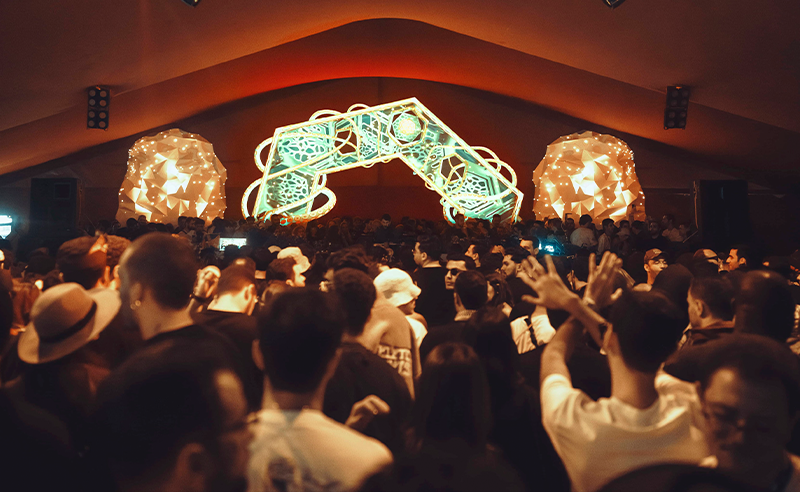
Over time, Fabrika grew from a single-stage event into a multi-day immersive electronic retreat. The programming expanded beyond DJ sets to integrate artisanal markets, holistic wellness sessions, art installations, and collaborative workshops featuring local creators. To maintain the festival's momentum year-round, Fabrika regularly hosts nationwide pop-ups and international showcases in major electronic music hubs like London and Berlin, bridging North African talents with the global underground scene. “The festival is our main anchor, but organising regular events throughout the year keeps the brand and the local scene active. We put tremendous effort into these secondary parties so that people who might not be able to attend the multi-day festival can still experience what Fabrika is all about.”
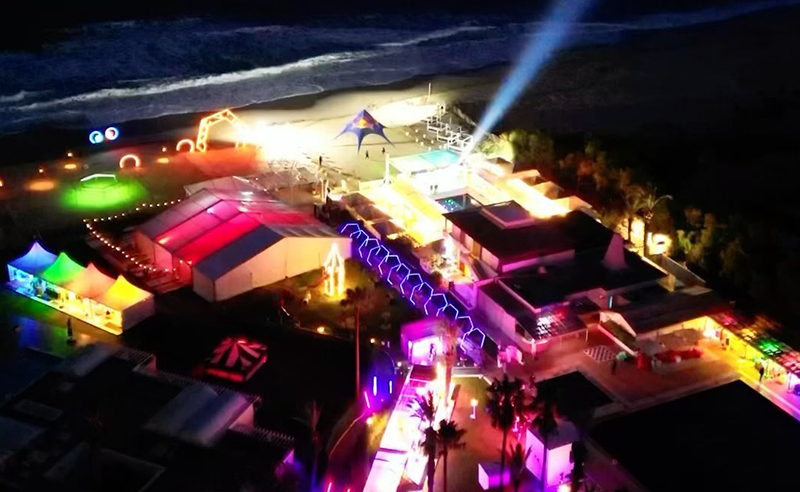
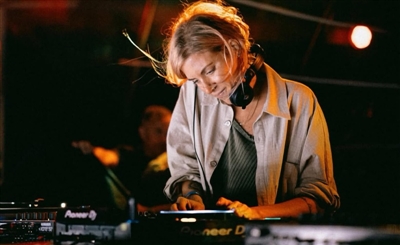
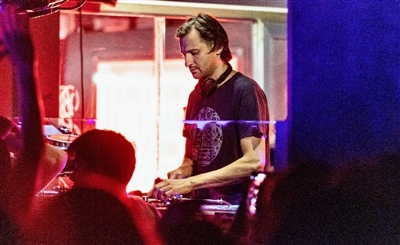
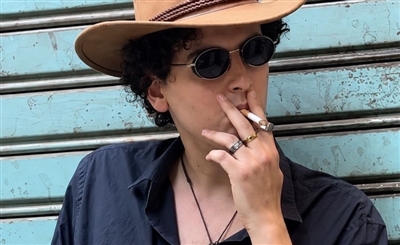
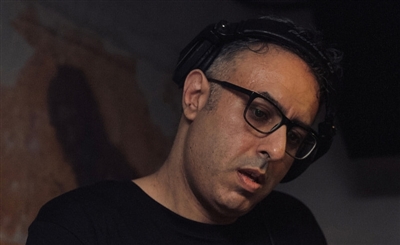
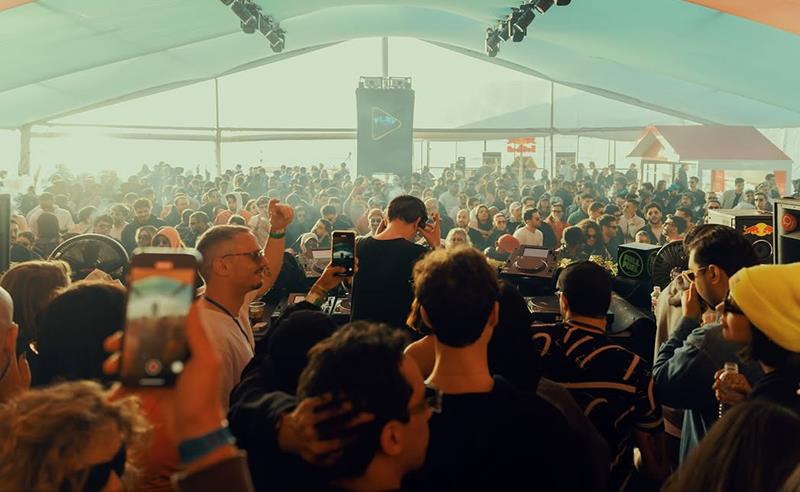
Over the past 14 years since its inception, Fabrika has transformed into a six-day, 24-hour experience spanning multiple stages and drawing over 3,000 attendees, including hundreds of international travelers who journey to Tunisia specifically for the festival. International headliners and some of the world’s biggest DJs - the likes of Ricardo Villalobos, Raresh, Dyed Soundorom, Nicolas Lutz - performed alongside regional acts and local Tunisian talents like Yigit Tar, whose international profile grew rapidly after performing on Fabrika’s stages.
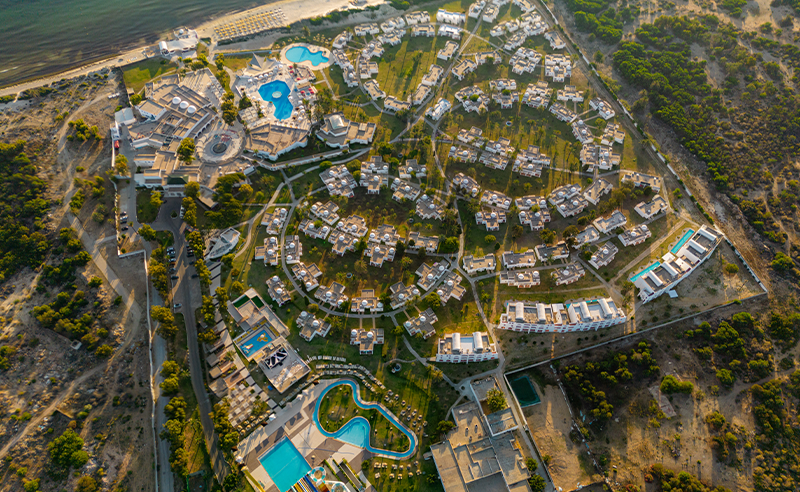
To accommodate its growth, the festival relocated its primary base to the historic coastal city of Monastir for its 2026 edition. Famous as the birthplace of Tunisia's founding president Habib Bourguiba and known for its traditional craftsmanship, Monastir provides a backdrop where local heritage intersects with contemporary music culture. “We outgrew our previous location, which is a great problem to have. The new site has wider grounds with bungalow accommodations for attendees. It allows us to directly integrate Monastir’s famous traditional crafts into the festival’s decor, staging, and vendor markets, further tying Fabrika’s identity to Tunisian heritage.”
Running from November 5th to November 9th, this year’s edition of Fabrika festival is bringing over 100 artists from across the globe to perform across three open-air stages. The bill features the likes of Hugo Martinez, Alexander Skancke, James Creed, Trent Voyage, Automatic Writing, Tatler, along with regional mavericks such as Baloo, Daox, HearThuG, Briki, and more.
Even as Fabrika scales onto the global stage, its core identity remains rooted in the raw, unpretentious energy of the local crowd. "From day one, we committed to doing things authentically. The Tunisian crowd won’t try to complicate things," Triki says. "If they like the music, they’re going to tell you to give them more of it. They engage without calculation; they don’t care who’s behind the decks; they just listen to what is being played."
From a student collective in Paris to one of the most resilient independent music festivals in the region, Fabrika continues to prove that a movement built on local pride, clear values, and artistic integrity can flourish on its own terms.